
Some People Don’t Apologize — They Perform: How to Spot Manipulation, Red Flags, and Set Healthy Boundaries
Some people don’t apologize — they perform. Learn how to spot manipulative apologies, recognize red flags, set healthy boundaries, and trust behavior over promises.
Some people don’t apologise — they perform.
They make big gestures, dramatic speeches, and sweeping promises that sound heartfelt in the moment. Flowers arrive. Long messages are sent. Tears might even fall. Yet somehow, the same hurtful behavior keeps showing up again and again.
This isn’t effort.
This isn’t accountability.
This is manipulation.
In emotionally unhealthy relationships, whether romantic, familial, professional, or social, apologies can become performances designed to distract, confuse, or reset the cycle—without any real change. If someone can promise the world but can’t keep small commitments, that’s not growth. That’s control.
Real apologies are often boring.
They are quiet.
They are consistent.
And most importantly, they are shown in behavior, not words.
This blog breaks down the psychology behind performative apologies, emotional manipulation, and behavioral patterns—using high-impact SEO insights and therapeutic clarity. You’ll learn how to stop watching the performance and start watching the pattern.
Why Performative Apologies Feel So Convincing
Performative apologies work because they trigger hope.
When someone apologizes loudly and dramatically, it activates our emotional wiring. We want to believe them. We want relief. We want the pain to end. Manipulative people understand this deeply—often intuitively.
What Is a Performative Apology?
A performative apology is not about remorse. It’s about image repair.
Common traits include:
- Over-the-top gestures after hurtful behavior
- Emotional speeches without responsibility
- Promises of change without follow-through
- Shifting focus to their pain instead of your boundaries
These apologies aim to:
- Stop consequences
- Avoid accountability
- Reset access to you
- Maintain control
They look like healing but function as damage control.
Big Promises vs Small Commitments: The Key Red Flag
Here’s the simplest truth:
Anyone can promise the world.
Character is revealed in small, repeated actions.
Why Small Commitments Matter More
Small commitments require:
- Consistency
- Self-discipline
- Respect for others
- Emotional maturity
Big promises are easy.
Small commitments are where real effort lives.
Examples:
- Saying “I’ll change” vs actually showing up on time
- Promising honesty vs telling the truth when it’s uncomfortable
- Declaring love vs respecting boundaries
When someone consistently fails at small commitments but excels at dramatic apologies, you’re not witnessing effort—you’re witnessing manipulation tactics.
The Psychology of Emotional Manipulation
Emotional manipulation thrives on cycles, not moments.
The Manipulation Cycle
- Harmful behavior (dismissal, betrayal, disrespect)
- Emotional fallout (conflict, withdrawal, pain)
- Performative apology (gifts, promises, intensity)
- Temporary calm
- Repeat behavior
This cycle conditions you to associate relief with apologies instead of change.
Why It’s So Hard to Leave
- Hope becomes addictive
- You’re attached to potential, not reality
- Gaslighting distorts your intuition
- Intermittent reinforcement keeps you engaged
Manipulation isn’t always loud or obvious. Sometimes it’s soft, charming, and convincing.
Real Apologies Are Boring—and That’s a Good Thing
Healthy apologies don’t seek applause.
They sound like:
- “I understand how my actions affected you.”
- “I’m taking responsibility without excuses.”
- “Here’s what I’m doing differently.”
They look like:
- Changed routines
- Respecting boundaries without reminders
- Consistent behavior over time
- Accountability even when no one is watching
Behavior Is the Only Apology That Matters
Words are intentions.
Behavior is truth.
If the behavior doesn’t change, the apology didn’t happen.
Stop Watching the Performance, Start Watching the Pattern
Patterns don’t lie—people do.
Questions to Ask Yourself
- Does this apology lead to consistent change?
- Do I feel safer or just temporarily soothed?
- Am I being asked to forgive without repair?
- Is the same issue repeating with different words?
Your nervous system often knows before your mind does.
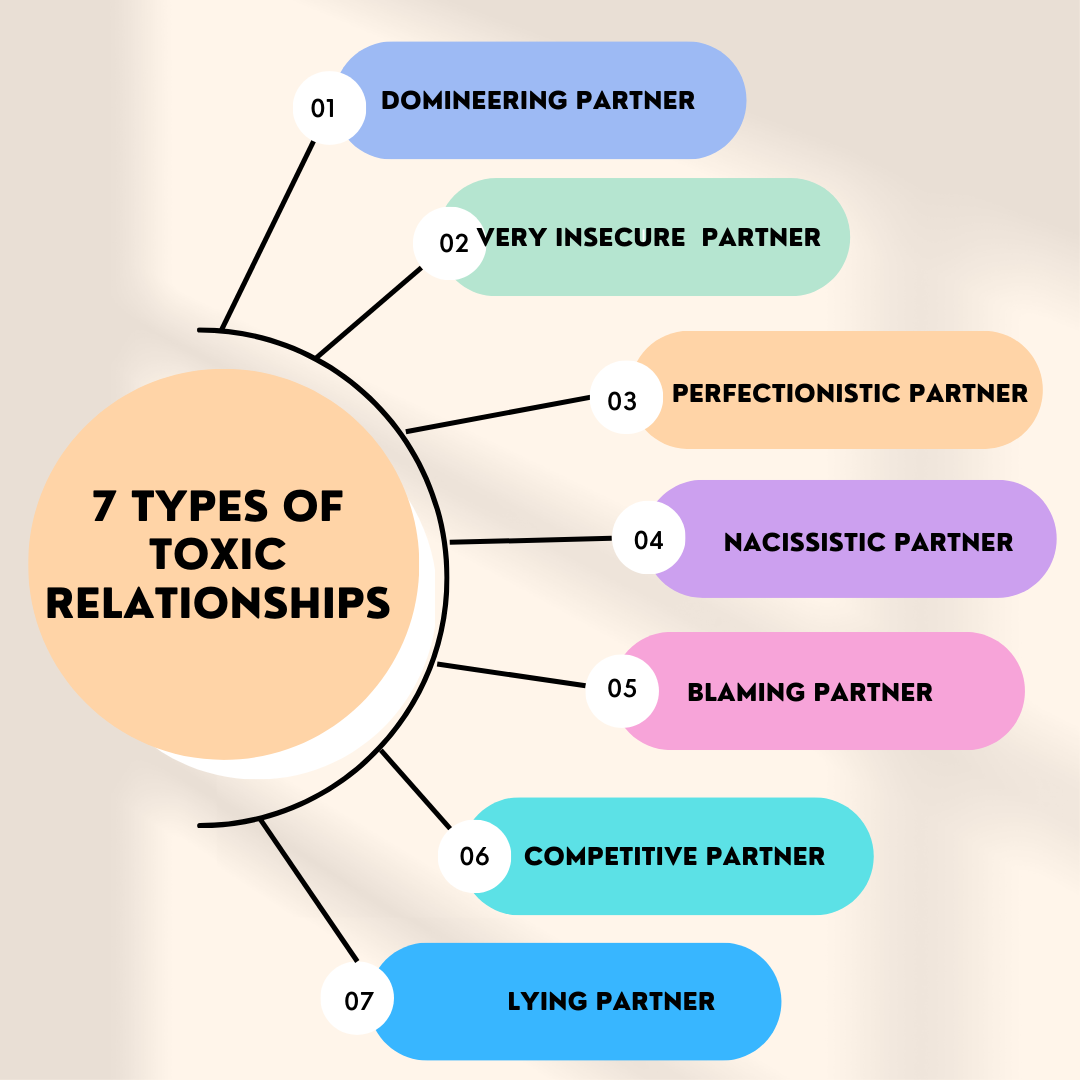
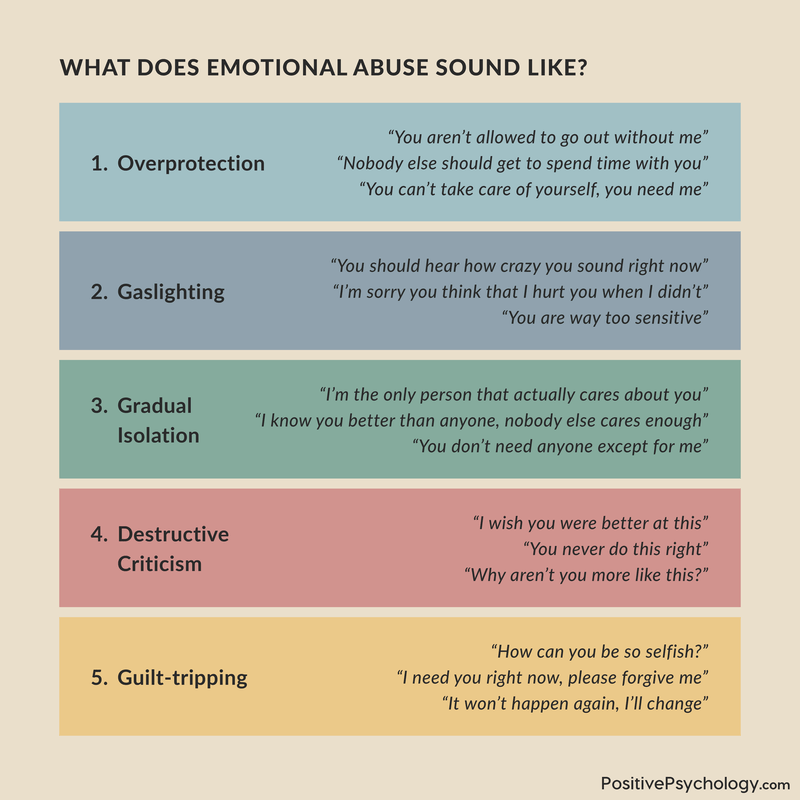
Common Red Flags of Manipulative Apologies
Recognizing red flags early protects your emotional health.
Top Red Flags to Watch For
- Apologies followed by “but…”
- Blaming stress, trauma, or others
- Repeating the same harm after every apology
- Making you feel guilty for needing consistency
- Turning themselves into the victim
If accountability feels like an attack to them, that’s a warning sign.
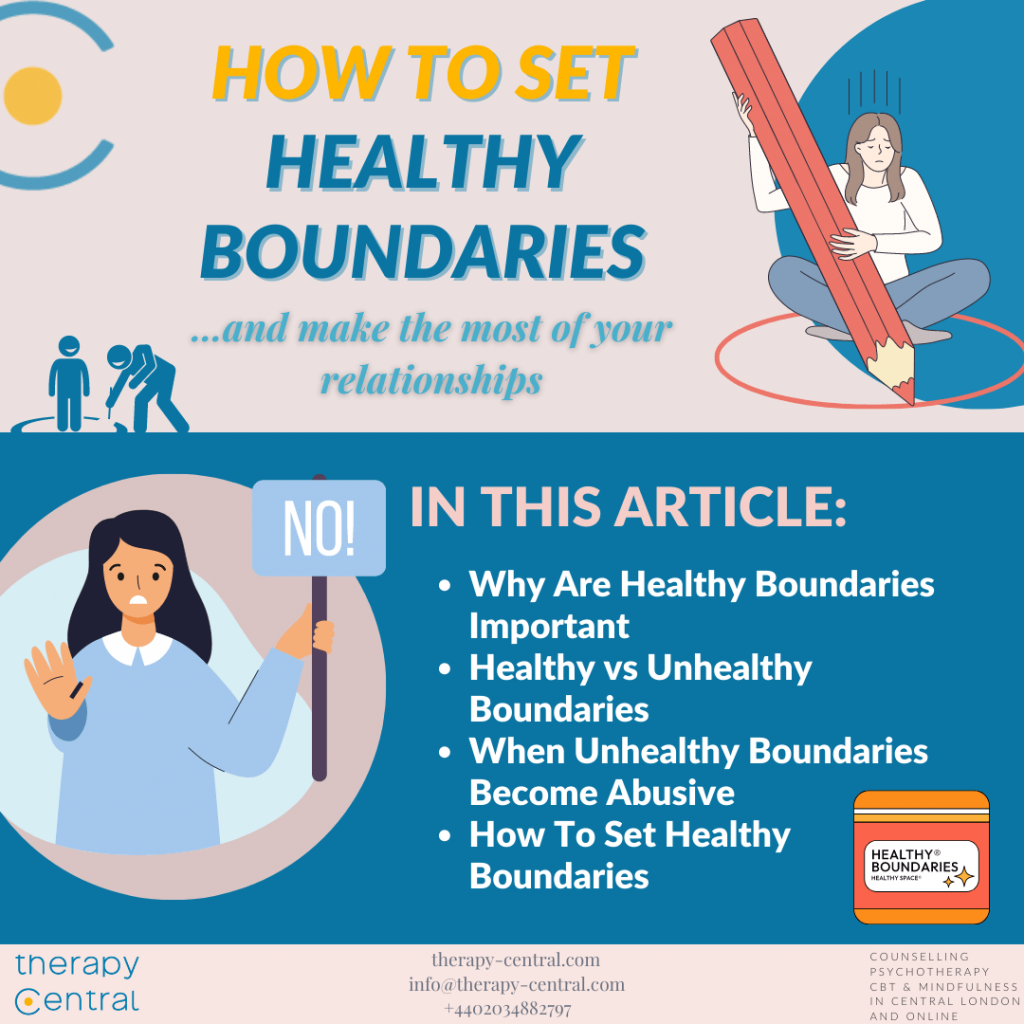
Boundaries: The Antidote to Manipulation
Boundaries aren’t punishments.
They are clarity.
What Healthy Boundaries Sound Like
- “I need to see consistent change before moving forward.”
- “An apology without behavior change isn’t enough for me.”
- “I won’t continue this conversation if my boundaries are ignored.”
What Happens When You Set Boundaries
Manipulative people may:
- Escalate their performance
- Accuse you of being cold or unforgiving
- Withdraw affection
- Attempt guilt or fear tactics
Healthy people will:
- Listen
- Adjust
- Respect your limits
Boundaries reveal character faster than conflict ever could.
Healing from Manipulative Relationships
Healing isn’t about becoming harder.
It’s about becoming clearer.
Steps Toward Emotional Clarity
- Trust patterns over potential
- Detach from words and focus on actions
- Journal behaviors, not promises
- Seek therapy or coaching support
- Rebuild trust with yourself
You’re not “too sensitive.”
You’re responding to inconsistency.
Frequently Asked Questions (FAQs)
1. Why do manipulative people apologize so dramatically?
Because intensity distracts from inconsistency and prevents accountability.
2. Can someone change after repeated manipulative apologies?
Change is possible only when behavior changes consistently over time—not through words alone.
3. How do I know if an apology is genuine?
A genuine apology includes responsibility, repair, and repeated behavior change.
4. Is it wrong to stop accepting apologies?
No. You’re allowed to require change, not just remorse.
5. Why do I keep believing the promises?
Hope, empathy, and emotional attachment are human—not weaknesses.
6. How do boundaries stop manipulation?
Boundaries remove access without accountability, forcing behavior to match words.
Choose Patterns Over Performances
Some people don’t apologise — they perform.
And once you see it, you can’t unsee it.
Stop measuring love by intensity.
Stop mistaking promises for progress.
Stop accepting apologies that don’t come with change.
Real healing begins when you stop watching the show and start studying the pattern.
If this resonated with you, it’s not by accident.
Ready to break free from emotional manipulation and build unshakable boundaries?
-
Start tracking behavior, not promises
-
Prioritize consistency over chemistry
-
Invest in your emotional clarity
Follow #TherapyWithSafa and #TheHypeCoach for more insights on manipulation, red flags, boundaries, and healing.
Share this blog with someone who needs clarity, not another performance.
You deserve apologies that come with change, not just words.
📞 Book Your FREE 15-Minute Consultation Now!
Visit The Hype Coach to schedule your session and start your journey towards empowerment and positive change. Don't forget to subscribe to our email list to claim your exclusive discount and secure your FREE consultation.