
Allah Doesn’t Just Hear Your Dua — He Designed Your Brain to Find Peace in the Act of Making It
That’s mercy on a molecular level.
Discover how dua heals the mind, calms the nervous system, and strengthens self-worth through Islamic psychology. Learn why Allah designed your brain to find peace in dua.
In moments of heartbreak, uncertainty, or quiet longing, the human soul turns instinctively toward dua. Not because it was taught only by tradition—but because it is wired into us. Allah doesn’t merely hear your dua; He designed your brain, heart, and nervous system to experience peace through the very act of making it. This truth sits at the intersection of Islamic spirituality, Islamic psychology, neuroscience, and self-worth.
In a world where anxiety is rising and inner peace feels scarce; Islam offers a divine reassurance: You were never created to carry your burdens alone. Through dua and tawakkul, Allah placed mercy not just in outcomes—but in the process itself.
This blog follows the AIDA format (Attention, Interest, Desire, Action) and explores the most searched SEO keywords related to dua, self-worth, Islamic psychology, mental peace in Islam, and trust in Allah—while grounding every insight in faith and science.
Why Making Dua Changes Your Brain Before Your Circumstances Change
Have you ever noticed how simply raising your hands in dua can make your chest feel lighter—even before anything actually changes?
That’s not imagination.
That’s design.
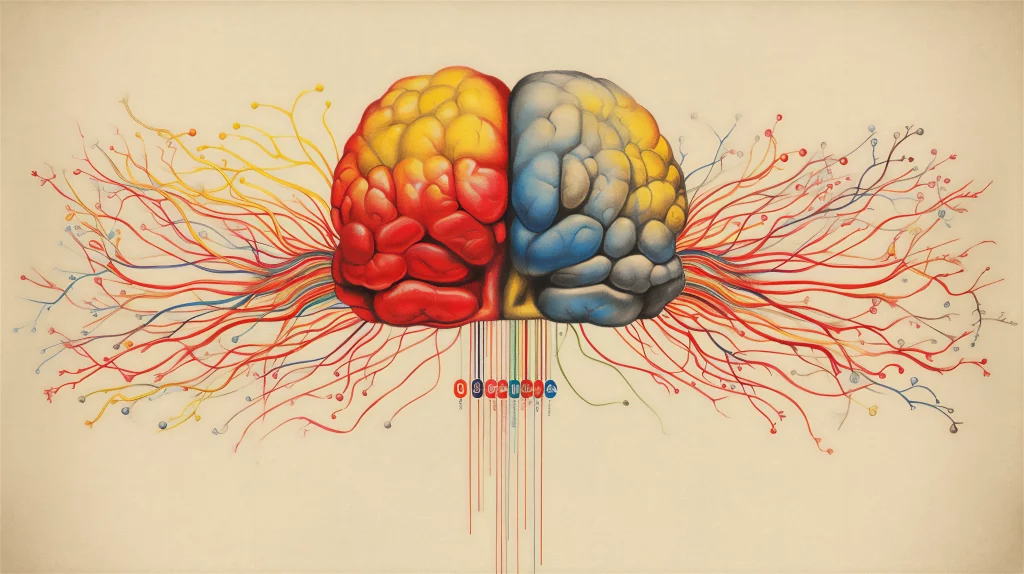
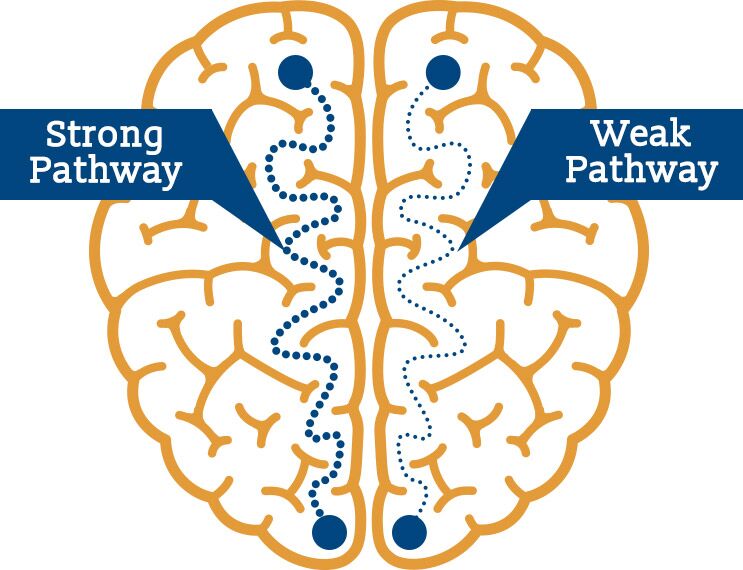
Modern neuroscience confirms what Islam has taught for over 1400 years: intentional prayer calms the brain, regulates emotions, and restores hope. When you make dua, your brain releases calming neurotransmitters, reduces stress hormones like cortisol, and activates areas associated with safety and meaning.
But here’s the deeper truth:
- Allah did not accidentally make dua soothing.
- He intentionally designed your biology to heal through connection with Him.
This is mercy on a molecular level.
Islamic Psychology: How Dua Rewires the Mind for Peace

1. Dua Activates the Parasympathetic Nervous System
Islamic psychology emphasizes balance between the qalb (heart), ‘aql (mind), and ruh (soul). When you make dua:
- Your breathing slows
- Your heart rate stabilizes
- Your body exits “fight or flight” mode
This is the parasympathetic nervous system activating—the same system responsible for healing, digestion, and emotional regulation.
Allah didn’t just command dua.
He made it physiologically healing.
2. Dua Restores a Sense of Control Without Arrogance
One of the biggest causes of anxiety is feeling powerless.
Dua does something remarkable:
- It allows you to express need
- Without demanding control
- While surrendering outcomes to Allah
This balance is the essence of tawakkul—effort without ego, hope without desperation.
Psychologically, this reduces:
- Learned helplessness
- Chronic worry
- Negative self-talk
Spiritually, it builds self-worth rooted in servitude, not performance.
3. Allah Designed Hope Into the Brain
Neuroscience shows that hope activates dopamine pathways, improving motivation and emotional resilience.
Islam ensures hope is never optional:
“Call upon Me; I will respond to you.”
Even unanswered dua is not rejection—it is redirection, protection, or preparation.
Your brain experiences peace because hope is alive. And hope, in Islam, is an act of worship.
Why Dua Heals Self-Worth at the Deepest Level
1. Dua Teaches You That You Are Worth Listening To
Self-worth issues often stem from feeling unseen or unheard.
Every dua counters that lie.
When you raise your hands, you affirm:
- My pain matters
- My voice matters
- My existence matters
Not because people validate you—but because Allah invited you to speak.
2. Tawakkul Removes the Burden of Perfection
Perfectionism destroys peace.
Tawakkul says:
- “I’ll try my best”
- “Allah handles the rest”
This mindset lowers anxiety, prevents burnout, and nurtures emotional stability. You stop measuring your worth by outcomes and start anchoring it in obedience.
That’s psychological freedom.
3. Dua Creates Emotional Safety
In trauma psychology, healing requires a safe attachment.
Dua offers the safest attachment of all:
- No rejection
- No abandonment
- No misunderstanding
Allah already knows—but still asks you to speak.
That alone rewires emotional wounds.
Frequently Asked Questions (FAQs)
1. Why does making dua feel calming even when nothing changes?
Because Allah designed your nervous system to experience safety and relief through connection with Him. Peace is part of the process, not just the outcome.
2. Is there scientific proof that dua reduces anxiety?
Yes. Studies on prayer and meditation show reduced cortisol levels, improved emotional regulation, and increased neural resilience—aligning perfectly with Islamic practices.
3. What if my dua is not answered?
Every dua is answered in one of three ways: granted, delayed, or replaced with something better. None are wasted.
4. How does tawakkul improve mental health?
Tawakkul reduces overthinking, control-based anxiety, and self-blame by shifting outcomes to Allah while maintaining effort.
5. Can dua help with self-worth issues?
Absolutely. Dua reinforces that your value comes from being a servant of Allah—not from achievements, appearance, or approval.
6. How often should I make dua for mental peace?
As often as you feel unsettled. Dua is not limited—it’s an open invitation.
Let Dua Heal You From the Inside Out
If this message resonated with you, don’t just read it—live it.
Make dua today—not only to change your circumstances, but to let Allah calm your heart.
Share this blog with someone who feels overwhelmed or unseen.
Reflect on your self-worth through the lens of servitude, not success.
Your dua is not weak.
Your tears are not ignored.
Your brain, heart, and soul were designed for this connection.
That’s mercy.
On a molecular level.
📞 Book Your FREE 15-Minute Consultation Now!
Visit The Hype Coach to schedule your session and start your journey towards empowerment and positive change. Don't forget to subscribe to our email list to claim your exclusive discount and secure your FREE consultation.